Strategies for Coordinating Group Travel Efficiently
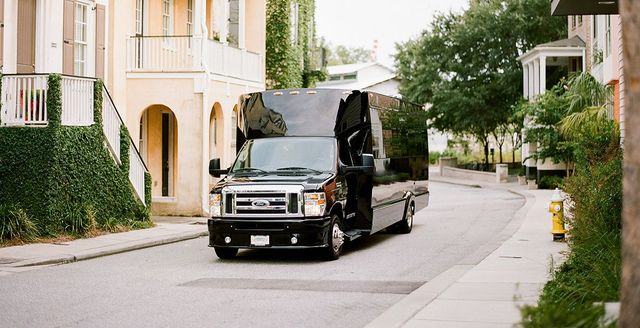
Planning transportation for a group event can feel overwhelming, especially when timing, comfort, and coordination all need to align perfectly. For corporate, personal, or celebratory events, transportation plays a key role in shaping impressions from start to finish. An organized transportation strategy alleviates stress, ensures timeliness, and promotes comfort for guests. Transporting attendees involves more than logistics; it ensures smooth transitions and professionalism. Efficient coordination allows attendees to concentrate on the event instead of travel issues. Thoughtful planning transforms transportation into a seamless part of the overall experience.
Lowcountry Valet understands how critical details influence successful event logistics. Years of coordinating group movements have shown that preparation, communication, and flexibility are key elements in delivering a polished experience. Guests should experience travel as seamless, while significant planning occurs behind the scenes. Anticipating needs ahead of time allows schedules to remain intact and expectations to be exceeded. Well-organized transportation supports the ambiance and overall feel of the occasion. These tips guide hosts in orchestrating efficient, enjoyable events that guests remember.
Assessing Your Event’s Transportation Needs
Effectively handling group travel begins with knowing all aspects of the event. Consider the number of attendees, type of limousine deals gathering, and full schedule. Different events have different transportation needs, and clarity at this stage helps prevent complications later. Timing preferences, anticipated arrivals, and departures are critical factors. Clarifying these details ensures transportation enhances the overall experience. Thorough planning creates a solid basis for subsequent choices.
It is equally important to consider the type of experience guests should have during transit. The journey helps build excitement and establishes the expected level of formality. Knowing the tone—sophisticated or casual—guides vehicle choices and timing. Size is one factor, but timing, stops, and itineraries also impact planning. Detailed mapping prevents any attendee from being neglected. Mindful planning ensures transportation complements the occasion.
Establishing a Clear Transit Timeline
A detailed timetable keeps group transportation running smoothly. Creating precise transport windows balances consistency with adaptability. The schedule must align with the program and consider moving between sites. When transportation is synchronized with the schedule, guests experience fewer delays and smoother transitions. Planning buffer time between movements reduces stress and helps accommodate unexpected changes. A thoughtful timeline keeps the entire group moving together without feeling rushed.
Communication plays a vital role in making a timeline effective. Guests and coordinators must be informed of travel details and schedules. Defined plans limit errors and delays. A well-communicated plan allows guests to relax, knowing their transportation has been thoughtfully arranged. The schedule guides transportation personnel and organizers alike. Uniform understanding ensures smooth operation.
Choosing Appropriate Transportation for the Group
Selecting the right cars or buses determines the effectiveness of group travel. The size of the group, the length of the journey, and the desired level of comfort all influence this decision. Vehicles should offer ample space so guests can travel comfortably without feeling crowded. In-vehicle features support enjoyment and convenience throughout the trip. Choosing transport in line with the event’s style maintains a cohesive look. Correct choices improve the flow and enjoyment of the event.
Beyond capacity and comfort, accessibility and ease of entry should be considered. Diverse guest needs require careful coordination and consideration. Vehicles that support smooth boarding and disembarking keep schedules intact and guests at ease. Matching vehicle appearance adds polish to the overall presentation. Consistent vehicle presentation contributes to a seamless experience. Careful planning of logistics shows dedication to attendees.
Managing Skilled Chauffeurs and Event Assistance
Professional chauffeurs are central to executing smooth group transportation logistics. Their experience allows them to anticipate challenges and adapt quickly when conditions change. Effective communication ensures drivers are aligned with timing and guest needs. Lowcountry Valet ensures careful planning and expert service for steady, stress-free group transport. Professionalism behind the wheel contributes to punctuality, safety, and overall guest comfort. Strong coordination creates confidence for both planners and attendees.
Back-end coordination helps maintain smooth transportation. Real-time coordination between drivers and planners keeps travel seamless. Being flexible allows the schedule to stay intact despite unexpected shifts. Informed drivers help guests feel comfortable and confident. The combination of preparation and adaptability ensures transportation remains reliable. This approach minimizes disruptions and supports a positive guest experience.
Managing Guest Communication Effectively
Informing attendees clearly is key to smooth group travel. Offering clear guidance ensures attendees understand timing and locations. Early information helps guests feel ready and assured. Uniform communication minimizes confusion and inquiries. Information should be clear and complete, including arrival times and locations. Attendees who understand the plan help travel flow efficiently.
Sending reminders near the event enhances organization. Prompt reminders help maintain consistency among participants. Being proactive shows careful planning and professionalism. Participants respond positively to clear instructions for coordinated travel. Clear messaging builds confidence and collaboration among guests. Guided participants allow logistics to function seamlessly.
Allowing for Adaptability in Group Travel
No matter how precise the planning, events may face surprises. Incorporating adaptability ensures travel remains smooth despite changes. Including buffer periods mitigates delays and reduces tension. Being prepared for obstacles ensures smooth solutions. Flexibility ensures that transportation remains dependable even when conditions shift. Adaptability reflects thorough, effective planning.
Planning ahead requires protocols for unforeseen circumstances. Defined communication methods reduce disruption during changes. Responsive plans maintain flow and attendee satisfaction. Group travel should appear seamless regardless of adjustments. Maintaining stability reflects high event standards. Guests are more likely to enjoy the experience when logistics remain smooth.
Elevating the Group Event Experience
How attendees travel greatly influences the event experience. Seamless travel creates a welcoming atmosphere and enhances event value. Well-executed travel improves overall guest experience. Travel must integrate naturally into the event rather than feel separate. Smooth transportation reinforces the purpose and energy of the gathering. Careful coordination enhances every aspect of the event.
At the conclusion, group travel contributes to a memorable ending. Organized exits ensure attendees leave satisfied. Lowcountry Valet maintains the same quality for departures as arrivals for a cohesive experience. Participants notice and enjoy a polished exit process. Careful coordination underscores the importance of professional travel management. A well-executed departure completes the event experience with confidence and ease.